
Why Are Roof Inspections Important for Syracuse, NY Homes?
Regular roof inspections help area households prevent costly damage caused by weather, improve home safety, and avoid structural problems. In Syracuse, heavy snow loads, ice dams, frequent freezes and thaws, and occasional windstorms place higher-than-average stress on most roofs. Ignoring early warning signs can lead to leaks, mold growth, and even compromised support structures during severe winters.
Local homes typically feature sloped asphalt shingle, metal, or flat rubber roofs—each with unique vulnerabilities based on building age and roof type. By catching minor issues before they develop into major problems, homeowners protect both their investment and their family’s comfort.
How Often Should Roofs Be Inspected in the City?
Most Syracuse residents should inspect their roof twice a year: once in late spring (after winter snow has fully melted) and once in autumn (before the first snowfall). Harsh winters and variable weather place exceptional stress on roofing materials, making this schedule ideal for identifying seasonal wear or storm damage.
Immediate inspections may also be necessary after significant hail, strong wind events, or if a branch or debris falls on the roof. Periodic attic checks for water stains or musty smells also help reveal leaks that may not be visible from the outside.
What Should Residents Look for During a Visual Roof Inspection?
A thorough visual inspection involves examining the roof’s exterior from the ground and, if safe, from a sturdy ladder. Most common issues can be identified without walking on the roof, which is often unsafe and can damage older shingles.
Key signs to check include:
- Missing, cracked, or curled shingles
- Sagging areas or dips, particularly near ridges or valleys
- Granule buildup from asphalt shingles collecting in gutters
- Moss, lichens, or algae growth, which may indicate trapped moisture
- Rust, corrosion, or loose fasteners on metal flashing
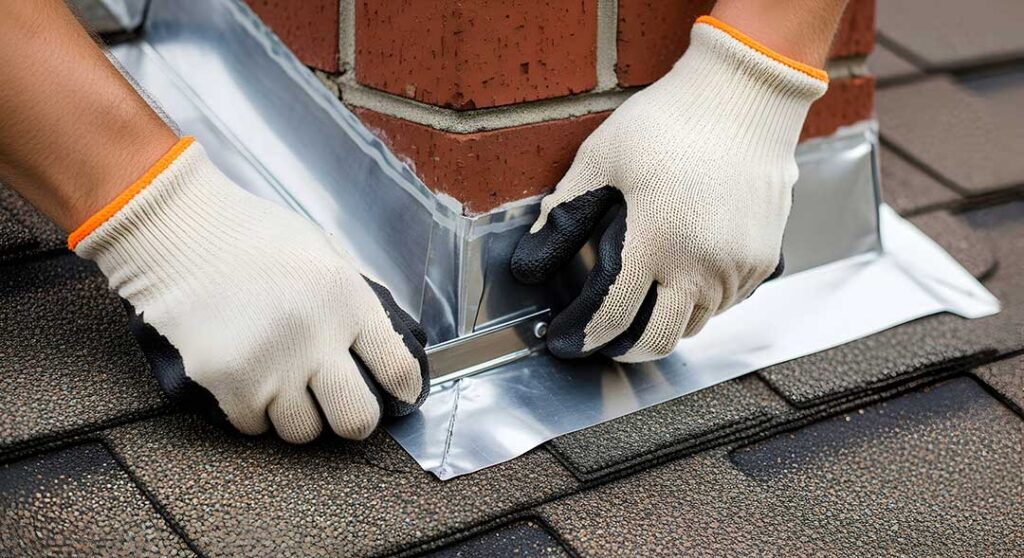
- Exposed nail heads or gaps in caulking around chimneys, skylights, and vents
- Damaged or clogged gutters preventing proper water drainage
Inside the attic or upper floor, look for:
- Damp insulation or wood
- Water stains on rafters or ceilings
- Light shining through the roof boards
- Unusual drafts or musty odors
Are Some Roof Problems Easy to Miss?
Certain issues are often overlooked during brief checkups. Ice dam formation—a frequent winter problem in the city—can quietly force water under shingles, causing leaks far from apparent exterior damage. Flashing around chimneys and skylights, if improperly sealed, may deteriorate quietly, leading to slow leaks that only appear as attic stains months later.
Roofs with complex shapes, multiple valleys, or older patch repairs may disguise damage beneath surface materials. Even new shingles can conceal problems if improper ventilation causes condensation in the attic. Careful attention to subtle changes—such as slightly warped decking or minor shingle shifting—helps detect issues early.
When Is It Unsafe to Inspect a Roof Yourself?
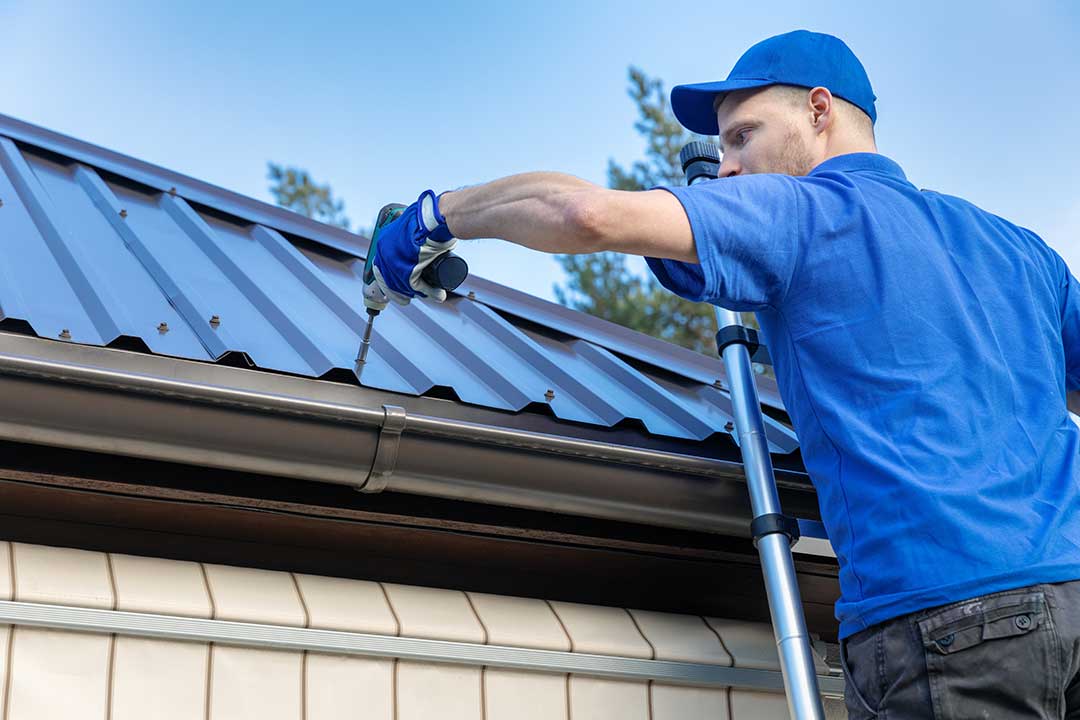
Personal safety should be the top priority. Residents should avoid climbing onto roofs that are steep, icy, or visibly weak. Snow-covered, wet, or mossy surfaces are especially slippery. If structural sagging, widespread rot, or significant storm damage is suspected, it’s safer to observe from the ground and use binoculars or a camera zoom. It’s also safest not to attempt inspection during thunderstorms, high winds, or extreme cold.
How Do Local Climate and Building Age Affect Inspection Needs?
Older homes with original roofing often face issues specific to the region’s weather patterns. For example, homes built before the 1950s may have inadequate attic ventilation, increasing the risk of ice dams and condensation. Flat or low-slope roofs—common on bungalows, porch overhangs, and additions—are prone to ponding water during spring thaws and require special attention.
Frequent freeze-thaw cycles can lift shingles or widen small cracks in flashings and valleys. In neighborhoods with leafy streets, autumn leaves can rapidly clog gutters and downspouts, increasing the risk of water backing up beneath roofing materials.
What Steps Can Syracuse Residents Take Between Professional Inspections?
There are several simple ways local homeowners can increase roof longevity and reduce the risk of emergency repairs:
- Regularly remove debris, branches, and heavy snow from roof surfaces (using a roof rake or pole, not by climbing)
- Keep gutters clean throughout autumn and spring
- Trim overhanging tree branches to limit damage from falling limbs and shade that encourages moss
- Watch for signs of animal entry, such as nests near roof edges or roofing disturbed by squirrels or birds
- Track ice dam development along eaves during winter and safely remove ice buildup if possible
Documenting the roof’s condition with photos each season can help spot gradual changes and provide records in case damage turns into an insurance claim.
What Are Common Misconceptions About Roof Inspections in This Area?
Some residents believe roofs only need checking after visible leaks or severe storms. In reality, slow, hidden leaks can develop during mild weather, especially in older homes. Another misconception is that new roofs require little attention; manufacturing defects, poor installation of flashing, or improper attic insulation can still lead to problems within the first few years.
Lastly, many underestimate the impact of local snow loads and ice. While modern building codes address these risks, older structures may not meet today’s standards—or their materials may be due for replacement. Regular inspections help catch these vulnerabilities before damage occurs.
