
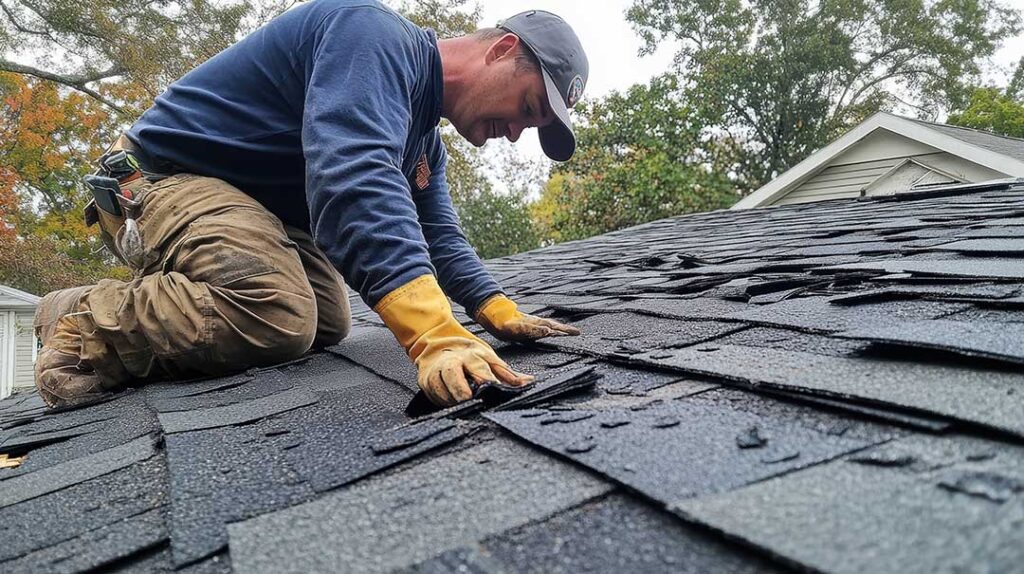
What Should Syracuse, NY Homeowners Know About Local Roof Material Options?
Syracuse, NY experiences long winters with heavy snow, rapid temperature swings, and damp springs. These local conditions make certain roofing choices more practical than others. Residents often wonder which materials stay durable, require less upkeep, or help manage heating costs over time. While every roof type has its uses, understanding tradeoffs can help area households make informed decisions.
How Does Asphalt Shingle Roofing Perform In This Region?
Asphalt shingles are widely chosen because they are affordable and easy to install. In Syracuse, asphalt roofs provide solid protection against rain and moderate snow, but their performance has both strengths and weaknesses:
Pros:
- Cost-effective and available in many styles, making them common across local neighborhoods
- Easy to repair or replace individual shingles after wind or ice damage
- Generally handle freeze-thaw cycles reasonably well due to flexibility
Cons:
- Can be prone to ice damming and granule loss from repeated snow removal or sliding ice
- Typically last 15-25 years, which is shorter than some alternatives in the city's climate
- May require more frequent inspections after each winter
Frequent snow accumulation and ice can accelerate wear compared to milder regions, leading many local households to count on roof rakes and extra attic insulation to extend shingle lifespan.
Are Metal Roofs a Good Fit for Harsh Weather?
Metal roofing is gaining popularity locally, especially for its ability to shed snow and resist ice buildup. Here's how metal roofs function under the common seasonal challenges faced in the area:
Pros:
- Snow slides off more easily, reducing ice dam risk
- Can last 40-70 years with minimal maintenance when properly installed
- Excellent resistance to rain, wind, and fire
Cons:
- Higher installation cost compared to asphalt
- Can be noisy in heavy rain or hail unless extra insulation is added
- Poor installation may allow ice to accumulate around seams or gutters
Many homes in older parts of the community that switch to metal roofing often notice better attic dryness and less damage from recurring snowstorms, but neighbors sometimes mention the louder sound during downpours as an adjustment.
How Do Wood Shingles and Shakes Hold Up in Syracuse’s Environment?
Wood roofing offers a natural look that is appealing to some homeowners, yet its suitability is shaped by the area’s damp climate and freeze-thaw cycles.
Pros:
- Appealing traditional appearance, especially in historical neighborhoods
- Good insulator for homes focused on energy efficiency
Cons:
- Vulnerable to moisture, mold, and rot if not carefully maintained and treated
- Generally not recommended in regions with prolonged dampness or snow cover
- Requires frequent cleaning and protective treatments to resist moss growth
Local homes that maintain wood roofs often need routine upkeep to prevent moisture damage and typically rely on professional cleaning after each winter.
What Are the Tradeoffs with Slate and Tile Roofing?
Slate and tile roofs are occasionally seen on older historic houses or custom builds in the city. Their advantages and limitations depend largely on weight and installation factors:
Pros:
- Exceptionally long-lasting (often over 75 years) when correctly supported
- Natural resistance to harsh weather, including snow, ice, and high winds
- Slate is non-combustible and largely maintenance-free
Cons:
- Very heavy, requiring structural reinforcement—something many homes in the area may not have
- Expensive to install and repair, with limited access to skilled installers locally
- Shingles or tiles can crack under thermal stress if not installed with proper allowances for local expansion and contraction
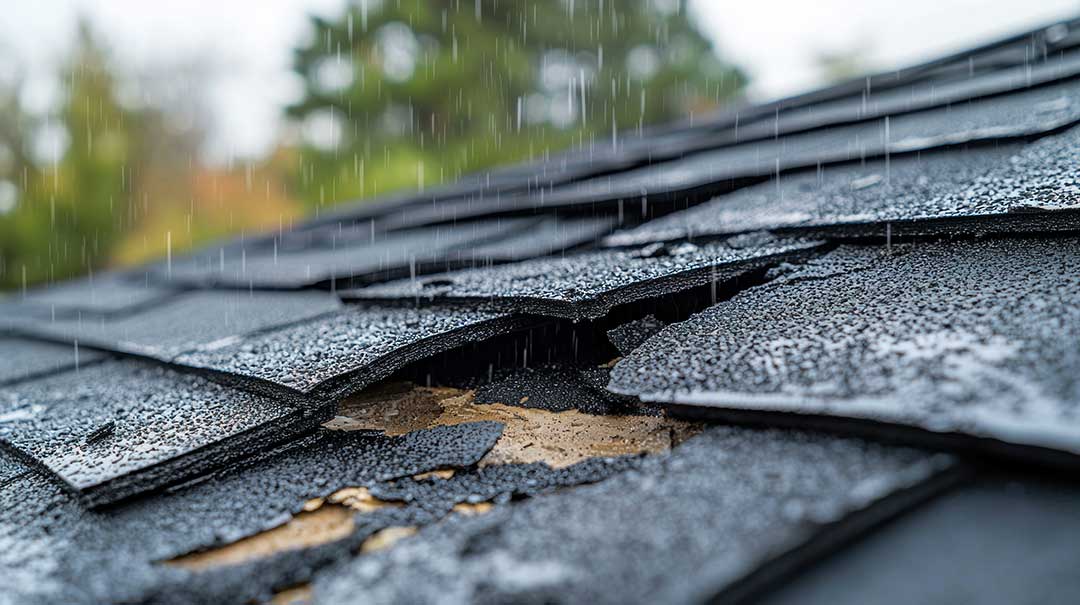
Some families discover that, while these roofs are beautiful and enduring, the high up-front investment and extra structural needs make them less practical for most area households unless preserving a historic structure.
Is Flat or Low-Slope Roofing Practical Here?
Flat and low-slope roofs are mostly used on commercial buildings or modern residential designs. In Syracuse, these roofs present unique challenges and considerations:
Pros:
- Allow for rooftop decks, solar panels, and modern stylistic elements
- Can be engineered for proper drainage if well-designed
Cons:
- Water pooling is a major concern; heavy snow and ice often lead to drainage issues
- Membranes or coatings can crack due to freeze-thaw cycles
- Require vigilant maintenance to prevent leaks, especially after record snowfall or rapid thaws
Local property owners sometimes invest time in clearing flat roofs by hand following storms, as ponds of snowmelt can quickly seep through small imperfections.
Are Green or Living Roofs Realistic for Syracuse Homes?
Some residents are curious about green or living roofs, which use layers of soil and plants. While they offer insulation and stormwater benefits, regional weather creates serious constraints:
Pros:
- Improve home insulation for both winter and summer
- Absorb rainwater and help control runoff
Cons:
- Designed systems are required to handle snow weight and water buildup
- Can be expensive to install and maintain in climates with repeated freeze-thaw cycles
- Risk of plant loss or roof leaks if drainage is not meticulously managed
A handful of local demonstration projects have shown these systems can succeed, but they demand thorough planning, strong underlying support, and ongoing attention that most single-family houses may find daunting.
What Other Factors Should Local Residents Consider?
Selecting a roofing material is about more than just cost and appearance. Syracuse's variable climate means heat resistance, snow shedding, ease of repair, and compatibility with solar panels may all influence the right choice. Common misconceptions include assuming roofs that work well elsewhere handle local winters, or that upgrading insulation alone prevents ice dams.
Attic ventilation, the color and reflectance of the material, and even local building codes can affect how various materials perform and how much effort is needed to keep a roof safe through decades of storms. Each material has tradeoffs, and many homes balance looks, budget, and durability by combining good installation practices with careful seasonal maintenance.
