
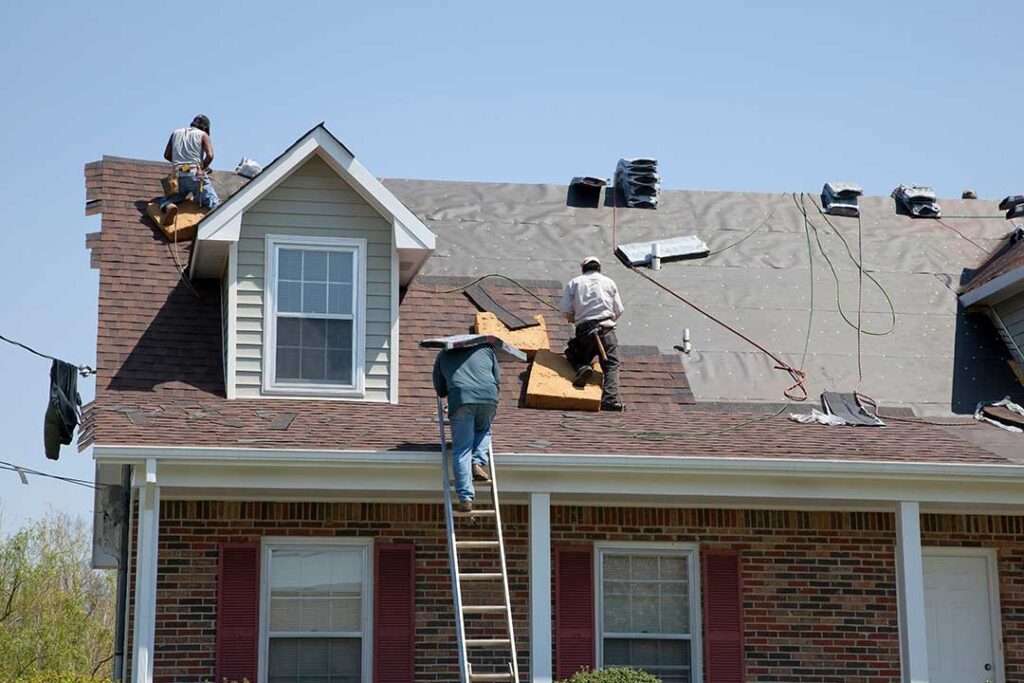
Why Clean Your Roof in Syracuse, NY?
Regular roof cleaning helps maintain the lifespan of roofing materials, supports curb appeal, and can prevent costly damages for Syracuse, NY households. The area’s humid summers and snowy winters encourage the growth of moss, algae, and lichen—all of which can degrade shingles if left unchecked. In addition, debris from nearby trees or windborne particles accumulate faster than many residents expect. Performing this maintenance safely promotes both the roof’s health and personal well-being.
What Are the Main Roof Cleaning Hazards for Local Residents?
Roof cleaning has several risks, especially in a city with four distinct seasons. Slippery moss, wet leaves, frozen patches, and steep roof angles all contribute to falls and injuries. There’s also potential for damaging shingles, gutters, or even landscaping below if improper techniques or harsh chemicals are used.
To reduce risk:
- Never work on the roof in rain, snow, or icy conditions
- Use footwear with non-slip soles
- Choose a dry, overcast day for the task—avoiding the glare and slipperiness caused by dew or direct sun
What Equipment and Supplies Are Necessary for Safe Roof Cleaning?
A thoughtful approach requires basic but specific equipment. For most pitched residential roofs in this area, supplies include:
- A sturdy extension ladder (tall enough to extend 3 feet above the eave)
- Soft-bristled brush or broom for loose debris
- Garden hose with adjustable spray nozzle
- Non-corrosive, plant-safe cleaning solution
- Work gloves and protective eyewear
- Old towels or tarps to protect landscaping below from runoff
Residents should avoid pressure washers unless absolutely necessary, as these can strip shingle granules common to many local roofing materials.
How Can You Remove Moss and Algae Without Damaging Shingles?
Start by gently sweeping away loose twigs, pine needles, or leaves. For visible moss or algae, mix a mild solution of water and oxygen-based bleach—never use harsh chemicals, because run-off can affect gardens and storm drains. Apply with a sprayer or sponge, allow it to soak in for 15-20 minutes, and then carefully rinse with a garden hose on low pressure. Avoid scrubbing too forcefully, which can loosen shingles or void warranties.
It’s a common misconception that more force or chemical strength leads to better results; persistence and gentle methods are safer for both the roof and the environment. Repeat the process as needed for stubborn spots, always watching for signs of shingle granule loss or lifted tabs.
Is It Safe to Walk on All Types of Roofs?
Not all roofs are equally walkable. Most residential roofs in the city are asphalt shingle, which can withstand some traffic if care is used, but older or brittle shingles might crack underfoot. Metal and tile roofs present different hazards—metal can be extremely slippery, while tiles break easily.
Try to keep foot traffic on the lower, flatter sections; distribute weight evenly and step only where necessary. If the roof pitch feels steep or unstable, use a roof harness or consider cleaning from a ladder rather than climbing fully onto the surface. Never attempt roof work alone—another adult nearby adds a level of safety and support.
How Often Should Roofs Be Cleaned in This City?
Most area roofs need cleaning once a year, usually late spring or early summer. This timing allows any organic matter or residue from winter and spring storms to be cleared before summer heat bakes it into the surface. Roofs directly under large shade trees or prone to heavy moss buildup may require spot cleaning every few months. Visual checks after wind storms or heavy debris falls are also recommended.
Can Cleaning Methods Impact Local Stormwater or Landscaping?
Yes, runoff from roof cleaning often travels directly into city storm drains or onto private lawns. To minimize local environmental impacts:
- Use only non-toxic, biodegradable cleaners
- Cover sensitive plants with tarps before starting
- Direct runoff away from gardens, ponds, or paved driveways when possible
- Dispose of leaf or moss piles through yard waste collection, not into sewers
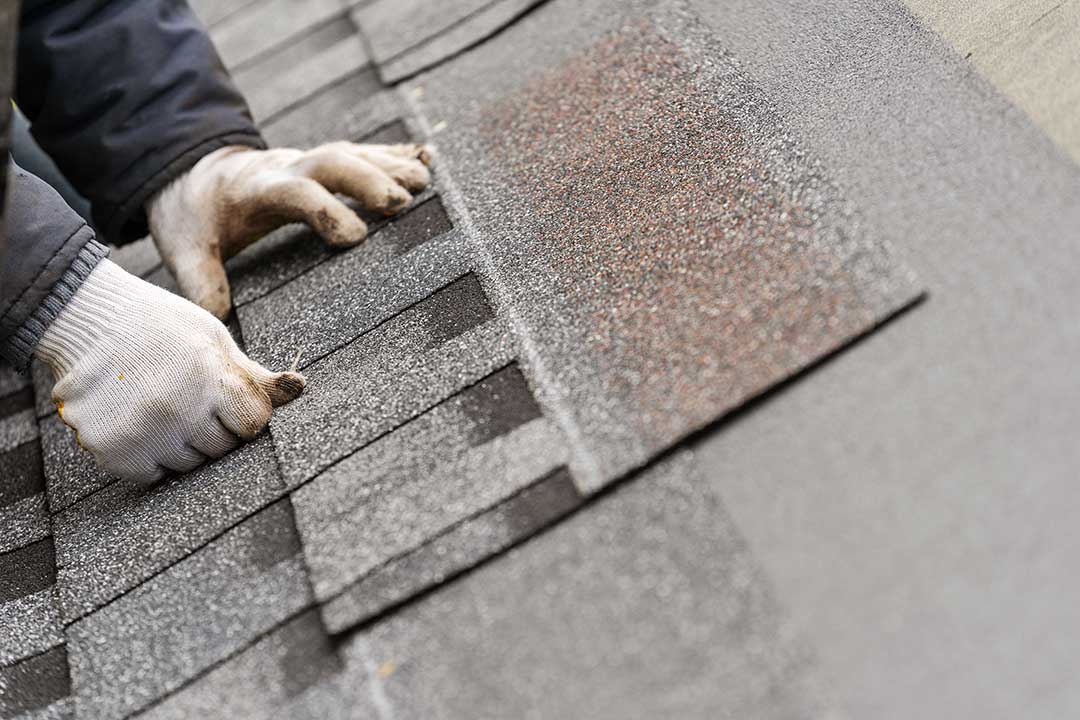
This approach helps keep city waterways clean and maintains compliance with local stormwater best practices.
When Should Residents Avoid DIY Roof Cleaning?
Some situations call for caution, as self-cleaning can be hazardous or ineffective. It is best to avoid climbing onto the roof:
- After recent rain or during melting snow, when surfaces are slick
- If large areas of shingle granules are missing or damage is visible
- With severe moss or black streaks suggesting an underlying moisture problem
Residents unsure about personal safety, roof condition, or cleaning techniques should prioritize their own well-being and look for alternative solutions rather than risk injury.
What Are Common Mistakes or Misconceptions?
Several errors occur repeatedly:
- Using a pressure washer at high settings, which erodes shingle granules
- Applying bleach or harsh chemicals, which harm plants and the roof itself
- Walking on brittle or frozen shingles, leading to breakage
- Expecting immediate results from mild cleaners—often more than one round is necessary
Many believe roof cleaning is only cosmetic, but in this region, it can be critical for property longevity and energy efficiency.
Are There Seasonal Factors Unique to the Area?
Syracuse’s climate means spring and fall are prime times for organic buildup. The freeze-thaw cycle causes expansion in damp, mossy areas, accelerating roof wear. Wind-driven debris is common in both stormy summer weather and winter thaw. Timely cleaning—paired with gentle methods—helps resist these local stressors.
