
How Do You Know Your Roof Is Ready to Be Replaced?
The decision to replace a roof is significant for area households, both for safety and investment reasons. In a climate with harsh winters and frequent freeze-thaw cycles, local roofs endure more stress than in many other parts of the country. Age and wear are only part of the equation.
What Are the Most Telling Signs That a Roof Needs Replacement?
While each home is different, there are several warning signs that replacement may be the safest and most cost-effective option.
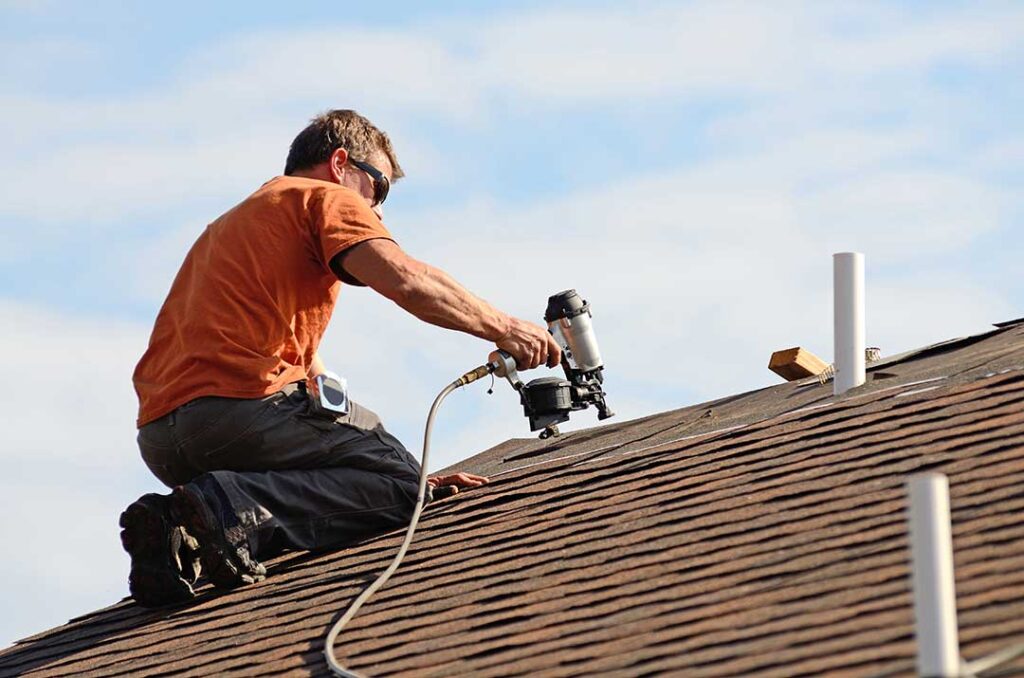
- Shingles that crack, curl, or lose granules signal a roof nearing the end of its lifespan—this is common after 20–25 years for asphalt shingles, the dominant roofing material in the area.
- Persistent leaks, especially those reappearing after multiple repairs, indicate underlying issues beyond spot fixes.
- Multiple layers of roofing, common in older neighborhoods, can hide deeper structural damage, often becoming apparent only when insulation feels damp or ceilings stain repeatedly.
- Moss and algae thrive in damp climates. Excessive, widespread growth can speed up deterioration, especially after seasons with above-average precipitation.
- Ice dams—frequent during snowy winters—may cause hidden damage that only emerges once spring thaws expose sagging or wavy rooflines.
Even if there’s no obvious hole, attention to these patterns can make a difference in preventing far more costly damage to a home’s underlying structure.
Does Roof Age Alone Mean It's Time to Replace?
The age of a roof offers general guidance but doesn’t tell the whole story. Most asphalt shingle roofs in the city last 20–30 years with good care, but several factors can shorten or extend that timeline:
- Lack of attic ventilation, which can cause high summer temperatures that bake shingles from below
- Poor ice dam management leading to repeated freeze-thaw damage
- Tree branches or debris causing abrasion or punctures
A roof that’s 25 years old, even if it looks mostly intact from the ground, often has hidden weaknesses. Knowing the installation date or the roof’s maintenance history is helpful for deciding when to replace rather than continue patching.
Can Local Weather Conditions Accelerate Roof Deterioration?
Absolutely. Winters are especially tough on all building exteriors here. Heavy snow loads compress shingles, while ice build-up can lift them away from the decking. Rapid shifts between freezing and thawing cause expansion and contraction, eventually prying nails loose or letting water seep beneath protective layers. High summer humidity also fosters moss, which can trap moisture.
Because seasonal stress varies between neighborhoods (wind exposure, tree cover, and sun angles all make a difference), two homes built in the same year can age very differently. Inspections after winter storms or heavy summer rains are a valuable step for catching trouble early.
Are Leaks Always a Sign Replacement Is Needed?
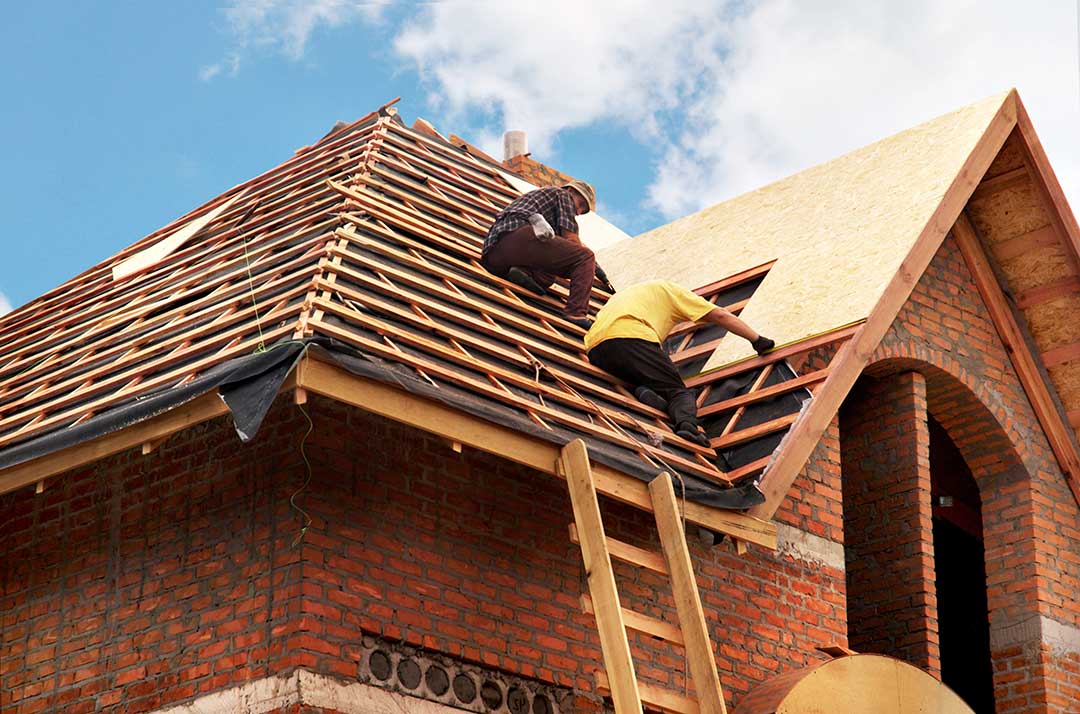
A single, isolated leak often only requires a targeted repair. But repeated leaking in different areas, especially on an older roof, hints that the protective barrier has been breached in multiple spots. If stains keep reappearing after patching, or if leaks start cropping up at intersections (valleys, chimneys, skylights), larger-scale intervention is likely necessary.
Hidden leaks may not always leave visible stains. Peeling paint, musty attic smells, or unexplained spikes in heating bills can all be indirect signs of ongoing water intrusion.
What Common Misconceptions Do People Have About Roof Lifespans?
A frequent misconception is that all shingles last exactly as long as their warranty. In reality, manufacturer warranties represent ideal lab conditions, not the freeze-thaw swings and winds of the city. Likewise, adding a second layer of shingles may seem like a shortcut, but it generally accelerates decay beneath.
Another common belief is that leaks can always be stopped with a patch. Once water has gotten behind the primary layer and into the decking, repairs become less effective, and replacing may be a more financially predictable solution.
Is There a Season That’s Best for Roof Replacement?
Locally, most people schedule replacements between late spring and early fall, when weather is mild and work progresses more smoothly. While urgent fixes might be needed after severe storms, planning ahead allows for timing work to avoid heavy snow and ice, reducing risks of water damage between removal and replacement.
Early signs—like missing shingles after spring thaws or visible sagging—should not be ignored, as they tend to worsen after each freeze or heavy rain.
Can You Delay Replacement if Repairs Seem to be Working?
Delaying full replacement after the warning signs are clear usually amounts to a short-term fix. Temporary repairs can buy time for budgeting, but chronic leaks or visible sagging often signal underlying damage that worsens when exposed to another winter’s snow and ice.
It’s sometimes possible to safely delay a few months if a roof is still structurally sound but nearing the end of its useful life—however, repeated repairs can add up to more than the eventual cost of replacement, while leaving the home vulnerable.
What Are the Risks of Waiting Too Long?
The most serious risk is water damage to insulation, framing, and living areas, which often leads to mold and costly remediation. In homes with finished attics, unnoticed leaks can rot structural boards over several seasons, and ice damming may tear gutters from eaves.
While not every sign demands immediate action, consistent problems year after year generally point to full replacement as the more reliable long-term choice. Honest assessment and timely decision-making are especially valuable in a region where one rough winter can dramatically change the outlook for an aging roof.
