
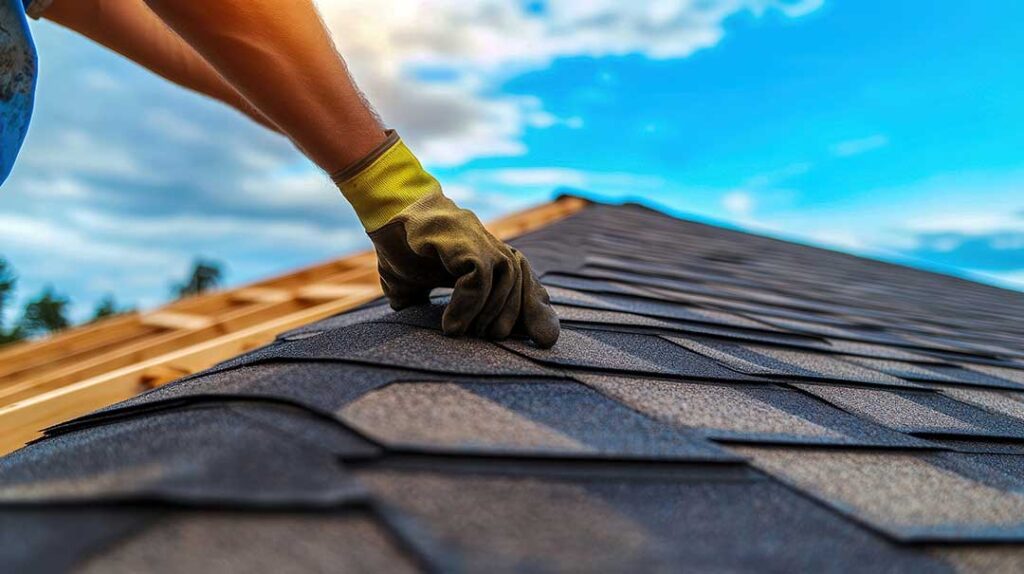
Why tree limbs are a roofing concern
Tree limbs can damage a roof in several ways, from scraping away protective granules to puncturing shingles during a storm. In Syracuse, NY, the risk is especially noticeable because roofs must withstand heavy snow, ice, strong winds, freeze-thaw cycles, and branches weighed down by winter precipitation.
Damage is not always dramatic. A limb may rest on the roof without creating an obvious hole, yet its movement can gradually wear through shingles or loosen flashing. Small problems can then allow water into the roof assembly, attic, insulation, or interior ceilings.
How do branches damage shingles?
The most common damage comes from repeated contact rather than a single impact. A branch rubbing against shingles can remove the mineral surface that protects the asphalt beneath. Once that protective layer is worn away, the shingle becomes more vulnerable to ultraviolet exposure, moisture, and temperature changes.
Branches may also:
- Scratch, crack, or lift individual shingles
- Break off shingle edges
- Dislodge ridge caps or other roofing materials
- Leave punctures after falling
- Push against vents, chimneys, or roof edges
- Block gutters and downspouts with leaves, bark, and twigs
A branch does not need to fall completely to cause trouble. Wind can make even a living limb swing against the same section of roof repeatedly. Over time, this may create loose tabs, exposed fiberglass mat, or areas where water can travel beneath the shingle surface.
What happens when a large limb falls on a roof?
A large limb can cause both visible and hidden structural damage. The impact may break shingles, damage roof decking, bend metal flashing, or affect rafters and trusses below. In severe cases, the weight can create a depression or partial collapse.
The most urgent warning signs include:
- A hole or opening in the roof
- Water entering the attic or living space
- Sagging roof decking or ceiling materials
- Cracked rafters, trusses, or interior walls
- A branch resting on electrical equipment or power lines
- A tree that is split, uprooted, or still unstable
A fallen limb should not be pulled across the roof. Dragging it can enlarge punctures and scrape away additional roofing material. Walking on a damaged roof also creates fall risks, especially when surfaces are wet, icy, or covered with loose debris.
Can small branches cause leaks?
Yes. Small branches and twigs can contribute to leaks even when they do not puncture the roof directly. They may collect in valleys, behind chimneys, around skylights, or near roof penetrations. These areas already carry concentrated water flow, so debris can slow drainage and keep the surface damp.
Fine debris can also enter gutters and downspouts. If water backs up behind a clogged gutter, it may reach the roof edge, fascia, soffit, or wall structure. During freeze-thaw conditions, trapped water can expand and worsen cracks or openings.
A leak may not appear directly below the damaged area. Water can travel along roof decking, rafters, insulation, and framing before reaching a ceiling. That is why a small stain indoors may indicate a larger problem above it.
Why are winter conditions especially hard on roofs near trees?
Snow and ice add weight to branches. A limb that appears safely positioned during mild weather may bend lower during a winter storm and touch the roof. Wet snow can make branches much heavier, while ice accumulation can increase the strain on weak or aging limbs.
Freeze-thaw cycles create another concern. Water entering a small crack may freeze, expand, and enlarge the opening. Repeated freezing and thawing can loosen shingles, split wood components, and degrade flashing around roof penetrations.
Strong winds can also break deadwood without uprooting an entire tree. Limbs that have been weakened by decay, previous storms, or improper pruning are more likely to fall during severe weather.
Which roof areas are most vulnerable?
Roof edges, valleys, and areas beneath mature trees often receive the most damage. Roof edges are exposed to falling limbs and wind-driven debris, while valleys and gutters collect leaves and small branches.
Other vulnerable areas include:
- Chimney and vent flashing
- Skylight edges
- Roof-to-wall intersections
- Dormer roofs
- Low-slope sections
- Older sections with brittle shingles
- Areas where branches touch or overhang the roof
A roof with several planes or additions may have more places where debris can collect. Homes with attached garages, porches, dormers, or enclosed additions should be checked in those transition areas after major storms.
How can residents identify tree-related roof damage?
A ground-level inspection can reveal many warning signs, but it cannot replace a close inspection when damage is suspected. Look for changes such as missing shingles, dark or scraped areas, exposed underlayment, broken branches on the roof, or gutters filled with unusually large pieces of wood.
From inside the attic, check for:
- Damp insulation
- Water stains on roof decking
- Daylight visible through the roof
- Dripping or damp rafters
- Musty odors
- Mold-like discoloration
- Wet areas that appear after rain or snowmelt
Indoors, stains on ceilings or upper walls may become more visible after heavy precipitation. Bubbling paint, peeling surfaces, or soft drywall can also indicate water intrusion.
Do not climb onto a roof to inspect it during rain, snow, ice, high winds, or immediately after a limb has fallen. A damaged roof may be unstable, and branches can shift unexpectedly.
Should branches touching a roof be removed?
Branches that touch or regularly scrape roofing materials should be treated as a maintenance concern. However, cutting limbs near a roof can be hazardous because branches may fall unpredictably, ladders can slip, and tools may damage shingles or gutters.
Extra caution is needed when:
- The limb is large, cracked, or suspended
- The tree is leaning
- The branch is near utility lines
- The roof is steep or icy
- The limb is resting on the roof
- The tree shows signs of decay or root failure
Safety and utility hazards justify assistance from a qualified tree-care or roofing professional. Roof damage should be evaluated separately from tree removal because a branch may conceal punctured shingles, damaged decking, or compromised flashing.
What should happen after a limb strikes the roof?
First, keep people away from the affected area and look for immediate hazards. If water is entering, place containers beneath active drips and move valuables away from the area when it is safe to do so. Do not touch wet electrical fixtures or wiring.
Next, document the damage from the ground or from safe interior locations. Photographs can help show the position of the limb, visible roof damage, fallen debris, and interior staining. If the roof has a significant opening, temporary weather protection may be needed, but it should not involve climbing onto an unsafe surface.
After the immediate hazard is controlled, the roof should be checked for both visible and concealed damage. A repair that addresses only the broken shingle may not resolve damage to the decking or moisture already inside the roof system.
How can tree-related roof damage be reduced?
Prevention begins with keeping branches from resting against roofing materials. Trees near a home should be observed seasonally, especially before winter and after major wind events. Dead limbs, cracked branches, and branches with weak attachments deserve prompt attention.
Helpful maintenance practices include:
- Keeping gutters and downspouts clear of leaves and twigs
- Checking roof valleys and drainage areas after storms
- Watching for branches that contact shingles
- Looking for tree limbs that are heavily weighted by snow or ice
- Inspecting attic spaces periodically for moisture
- Trimming vegetation only when conditions are safe
- Avoiding roof inspections during hazardous weather
Tree growth is gradual, but roof damage can develop quietly. Regular observation helps identify contact, debris buildup, and storm-related problems before they become interior water damage or larger structural concerns.
