
Does Syracuse, NY need hurricane roof preparation?
Yes. Although Syracuse is inland and does not face storm surge, tropical systems can still bring damaging wind, heavy rain, falling branches, and rapid changes in weather. A weakened roof may develop leaks or lose materials during a storm that is less severe than a coastal hurricane.
The Atlantic hurricane season officially runs from June 1 through November 30, but tropical systems can occur outside those dates. Inland communities may experience the effects of a storm after it has weakened, including strong wind gusts and prolonged rainfall. ([aoml.noaa.gov](https://www.aoml.noaa.gov/hrd-faq/?utm_source=openai))
Roof preparation is less about making a home “hurricane-proof” and more about finding small weaknesses before wind and rain expose them.
What should homeowners inspect before storm season?
Begin with a ground-level inspection, then arrange a closer evaluation only if the roof can be accessed safely. Look for:
- Missing, cracked, curled, or loose shingles
- Exposed fasteners or lifted flashing
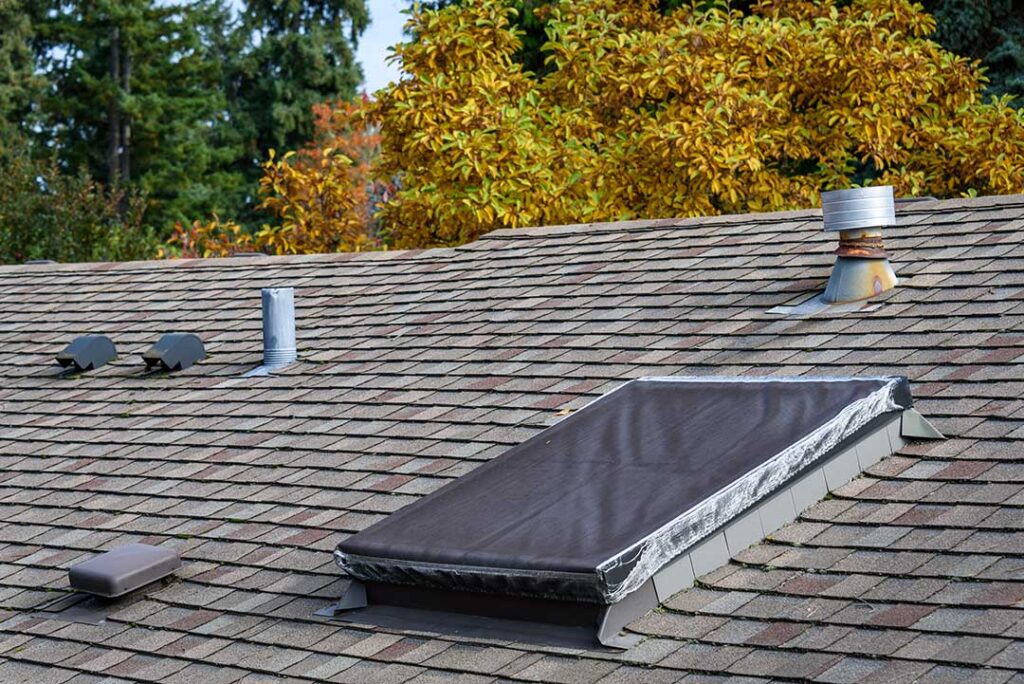
- Gaps around chimneys, plumbing vents, skylights, and roof edges
- Sagging areas on the roof surface or at the eaves
- Damaged soffits, fascia, gutters, or downspouts
- Granules collecting in gutters or near downspout outlets
- Water stains on attic insulation, roof sheathing, ceilings, or upper walls
Older homes in the community may have several roof layers, additions, dormers, or enclosed porches. These transitions often deserve extra attention because they create more seams where wind-driven rain can enter.
A roof does not need to look dramatically damaged to have a problem. A single lifted shingle, loose section of flashing, or deteriorated seal can become an opening during a storm.
How can shingles and flashing be secured?
Loose roofing materials should be corrected before a storm forecast is issued. Wind can get underneath a lifted shingle and pull up adjacent materials, creating a larger exposed area.
Flashing is equally important. Metal flashing directs water away from joints and penetrations, including:
- Chimney bases
- Valleys where roof sections meet
- Skylights
- Plumbing vent pipes
- Sidewalls and roof-to-wall intersections
- Edges around dormers and additions
Do not rely on surface caulk as a permanent solution for loose or improperly installed flashing. Sealants can deteriorate, and they cannot correct a flashing section that is bent, detached, or missing.
Repairs should also account for the roof’s age and condition. Applying a patch over widespread deterioration may not provide the same protection as correcting the underlying problem.
Should gutters be cleaned before severe weather?
Yes. Clear gutters and downspouts before periods of heavy rain, especially if leaves, roof granules, or spring debris have collected during the year.
Blocked drainage can cause water to back up beneath roof edges or overflow against siding and foundation walls. Downspouts should discharge water away from the foundation without creating a trip hazard or directing runoff toward a neighboring property.
Check that gutters are securely attached. A gutter filled with water is heavy, and loose sections can pull away from the fascia during strong wind. Extensions, elbows, and splash blocks should also be positioned so they do not detach or become airborne debris.
In areas with mature trees, clearing nearby branches is part of roof preparation. Branches that touch or overhang the roof can scrape shingles, damage flashing, or fall during saturated and windy conditions.
What about attic ventilation and roof sheathing?
A sound attic helps the roof assembly manage moisture and temperature changes. Before storm season, inspect the attic for:
- Damp insulation
- Mold-like staining
- Daylight visible through the roof deck
- Rusted nails or fasteners
- Soft, discolored, or deteriorated sheathing
- Blocked intake or exhaust ventilation
Ventilation openings should not be sealed simply because a storm is approaching. Properly installed vents are part of the roof system, but damaged or loose vent components should be repaired.
Roof sheathing provides the surface to which roofing materials are fastened. If it is weakened by long-term moisture exposure, fasteners may not hold as well under wind uplift. New York’s residential code addresses wind loads and requires a continuous load path that transfers forces from the roof assembly toward the foundation. ([dos.ny.gov](https://dos.ny.gov/nys-residential-code-noa-7242025?utm_source=openai))
That requirement applies to construction and permitted work; it does not mean every existing roof automatically meets current standards. Older homes may need closer evaluation when major repairs or replacement are considered.
What should be done around the roof before a storm?
Remove or secure objects that could strike the roof or become airborne. This may include:
- Patio furniture
- Lightweight containers
- Decorative items
- Loose branches
- Unsecured ladders
- Yard equipment
- Temporary coverings or fabric structures
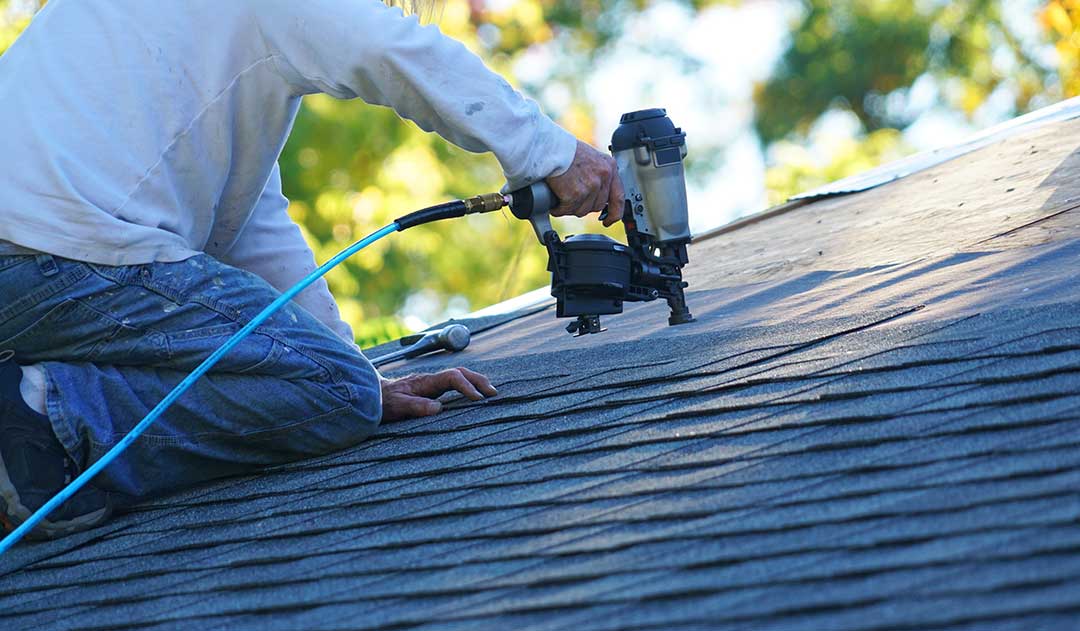
Inspect roof-mounted equipment and attachments, including satellite dishes, antennas, solar equipment, and exterior wiring. Do not climb onto a roof to secure these items during deteriorating weather.
If a tarp or temporary cover is already installed, check it during calm conditions for loose edges, trapped water, or exposed fasteners. A poorly secured covering can cause additional damage. Temporary measures should never be used as a reason to delay permanent repairs when the roof is unsafe or actively leaking.
Is it safe to inspect the roof during a hurricane warning?
No. Roof inspections, ladder work, and exterior repairs should be completed well before tropical-storm-force winds or dangerous rain arrive. The National Hurricane Center notes that preparedness becomes difficult once tropical-storm-force winds begin, which is why planning should happen in advance. ([nhc.noaa.gov](https://www.nhc.noaa.gov/aboutgloss.shtml?utm_source=openai))
During a warning:
- Stay off the roof and avoid ladders
- Keep away from windows and areas beneath damaged ceilings
- Move valuables away from known leak areas if it can be done safely
- Place containers under active drips
- Avoid touching wet electrical equipment
- Follow emergency instructions from local authorities
If a tree has struck the roof, part of the structure is sagging, or electrical lines are involved, keep people away from the area. Structural instability and electrical hazards require specialized assistance rather than do-it-yourself work.
How can homeowners document roof condition?
Take dated photographs of the roof, attic, ceilings, gutters, flashing, and major exterior features during calm weather. Keep records of previous repairs, roof installation dates if known, and any recurring leaks.
This documentation can help distinguish new storm damage from older wear. It is also useful for insurance discussions, especially when damage is not immediately obvious. NOAA recommends reviewing insurance coverage and documenting possessions before hurricane season. ([prod-01-alb-www-noaa.woc.noaa.gov](https://prod-01-alb-www-noaa.woc.noaa.gov/prepare-before-hurricane-season?utm_source=openai))
Photographs should show the broader roof area as well as close views of specific defects. Avoid walking on the roof solely to take pictures; ground-level images and attic observations are safer.
What is the most practical preparation schedule?
A useful schedule is:
- Several weeks before storm season: Inspect the roof, attic, gutters, downspouts, and nearby trees.
- After winter: Look for ice, snow, and freeze-thaw damage that may have loosened shingles or flashing.
- Before a forecast storm: Remove loose outdoor items and confirm that drainage paths are clear.
- During the storm: Stay off the roof and monitor for interior leaks from a safe location.
- After the storm: Photograph damage before moving materials, unless immediate action is needed to protect people from danger.
The local climate makes year-round roof maintenance worthwhile. Snow, ice, freeze-thaw cycles, heavy rain, and wind can weaken details gradually, even when no single storm appears severe.
