

How Does Your Roof Affect Energy Efficiency in Syracuse, NY?
Your roof plays a significant role in how much energy your home uses, especially in a four-season climate like Syracuse, NY. The roof acts as both a barrier and a bridge between the outdoors and your living space. Its material, color, condition, and how it’s installed can all influence your utility bills and overall indoor comfort.
In Syracuse, winters are long and cold, with heavy snow and ice. Summers bring warmth, humidity, and strong sunshine. The roof’s ability to keep heat inside during winter and deflect it during summer is crucial in this region.
What Roof Materials Offer the Best Energy Performance?
Different roofing materials have varying degrees of insulation, reflectivity, and durability. These characteristics have a real impact on energy costs:
- Asphalt shingles: Still the most common, these products are affordable but moderate in energy efficiency. Some newer versions contain reflective granules, which can help in summer.
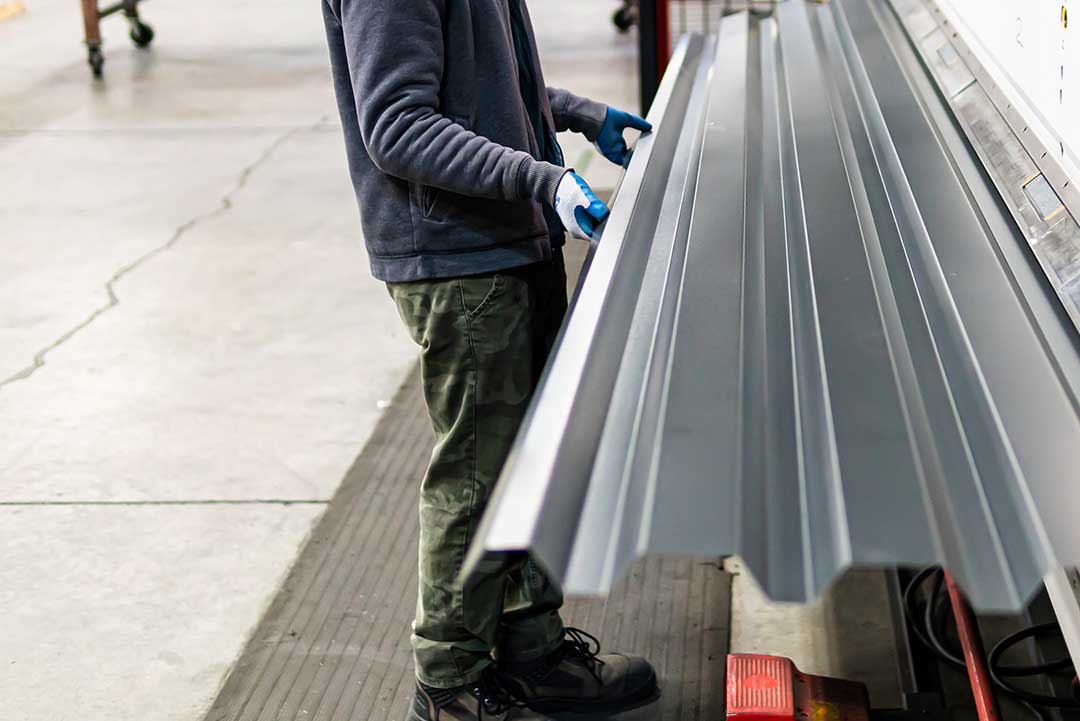
- Metal roofs: These are becoming popular for their long lifespan and energy performance. They reflect more sunlight, which can reduce summer cooling needs. In the winter, installing with an insulated underlayment helps retain heat.
- Tile and slate: Less common in the region due to weight, but they have excellent thermal mass, slowing the transfer of heat.
- Synthetic and polymer products: Recently developed to provide both durability and better insulation, these can also incorporate reflective features.
For Syracuse households, the choice often balances initial investment, expected roof lifespan, and potential energy savings.
How Important is Roof Insulation and Ventilation?
Proper insulation and ventilation beneath your roof are just as important as the outer materials. Inadequate insulation lets precious heat escape in the winter and contributes to ice damming—a major issue under Syracuse snow.
Well-insulated attics keep heat inside, reduce drafts, and help maintain even temperatures. Effective roof ventilation, on the other hand, allows warm air and moisture to escape, which prevents overheating and condensation problems in summer.
Together, insulation and ventilation:
- Lower winter heating bills
- Help prevent ice dams and moisture damage
- Make attics and upper floors more livable
Many older homes in Syracuse could benefit from attic insulation upgrades. Checking insulation depth and air sealing can reveal opportunities for significant improvements.
Does Roof Color Matter for Local Energy Efficiency?
Roof color does matter, but its impact varies by season. Darker colors absorb more heat, potentially useful in cold climates. However, in the warmer months, darker roofs can increase cooling loads and speed up shingle wear.
Lighter-colored or “cool roof” shingles reflect more sunlight and are especially beneficial on homes that tend to overheat in summer. In Syracuse, many residents opt for medium shades to balance winter warmth with summer comfort.
Energy-conscious homeowners may consider new shingle lines that offer both reflective properties and traditional colors suited to local architectural styles.
What Maintenance Tasks Affect Roof Energy Performance?
Routine maintenance directly affects energy efficiency and roof longevity. For example:
- Removing debris from gutters and valleys prevents water infiltration and ice dams.
- Checking for missing shingles or gaps helps keep insulation dry and effective.
- Fixing ventilation blockages (like bird nests) ensures air is moving freely in attic spaces.
- Addressing roof leaks quickly prevents insulation from becoming saturated and losing its effectiveness.
Neglecting minor issues allows energy losses to accumulate, raising utility bills over time.
Are Solar Panels or Green Roofs Practical in Syracuse?
Some households are curious about advanced options like solar panels or green roofs. Solar panels can be effective even with Syracuse’s winter cloud cover because modern systems generate power from diffuse light.
Green roofs—layers of vegetation grown over a waterproof barrier—are less common but offer notable insulation and cooling benefits. They require additional structural support and careful design for winter conditions. For most local homes, these are specialty options, but they’re increasingly used in public buildings and innovative remodels.
What Common Misconceptions Do Residents Have About Roofs and Energy?
Several myths shape local conversations about roofs and energy use:
- “All roofs perform the same in winter.” In reality, poor insulation and ventilation can make two nearly identical homes have very different heating costs.
- “Upgrading only the roof solves energy waste.” The attic floor, windows, and wall insulation are also crucial. The roof is a major system, but not the only one.
- “Icicles are normal and harmless.” Large icicles usually indicate heat loss through the roof and can signal insulation or ventilation issues that might lead to costly repairs.
- “Shingles last forever.” Winter weather takes a toll, so periodic roof evaluations are wise even if leaks aren’t visible.
Paying attention to these misunderstood factors can help area homeowners maintain more comfortable, efficient homes.
What Steps Can Residents Take to Improve Energy Efficiency Through the Roof?
Without major renovations, several practical actions can make a meaningful difference:
- Periodically inspect the attic for damp insulation, drafts, or visible daylight around vents and edges.
- Make sure exhaust fans and dryer vents vent outside—not just into the attic.
- Ensure attic insulation covers the entire ceiling evenly, with few gaps or compressed areas.
- Keep roof surfaces free from moss and debris to prevent deterioration.
- During re-roofing, ask about modern, energy-efficient shingles, reflective granules, or additional insulation layers.
These actions add up to a more efficient, comfortable home ready for the temperature swings of Syracuse.
