

What Is a Roof Warranty and Why Does It Matter?
A roof warranty is a written guarantee that covers specific types of problems or failures with your roofing, providing peace of mind for Syracuse, NY homeowners dealing with harsh winters, lake-effect snow, and wet springs. Unlike a generic guarantee, roof warranties set expectations for what repairs or replacements might be covered if something goes wrong.
Many residents may not realize that not all warranties are alike. Some only cover materials, while others protect both workmanship and materials. Understanding the difference is crucial in a region where ice dams, heavy snow loads, and seasonal freeze-thaw cycles frequently test a roof’s durability.
What Kinds of Roof Warranties Exist?
There are typically two main categories Syracuse homeowners encounter:
- Manufacturer (Material) Warranties: These cover defects in the roofing materials themselves (such as shingles or underlayment). If shingles fail prematurely due to a manufacturing defect, the manufacturer may replace materials within the coverage period.
- Workmanship (Installation) Warranties: These are provided by the installer and cover installation errors. For example, if a leak occurs because shingles weren't installed according to building code or manufacturer specs, this type of warranty may pay for repairs or replacements tied to faulty labor.
In the city, where older homes are common and roof replacements can be significant investments, residents are advised to be clear on which type they have—or if they receive both.
What Does a Typical Roof Warranty Cover?
Every warranty spells out covered and excluded issues. Generally, a material warranty addresses defects like:
- Shingle cracking or blistering not caused by weather
- Premature granule loss from defective manufacturing
- Early deterioration unrelated to local environmental conditions
Workmanship warranties tend to protect against mistakes such as:
- Improper flashing installation (a major concern near chimneys and valleys in dense neighborhoods)
- Incorrect shingle alignment or nailing, which can lead to leaks, especially as snow melts
It’s common for both types of warranties to exclude roof damage due to severe storms, hail, falling branches, or lack of regular maintenance. In areas like Syracuse, where tree cover and winter weather cause particular stress, this detail is important. Insurance—not warranties—usually covers storm-related issues.
How Long Do Roof Warranties Usually Last in Areas With Harsh Climates?
Material warranties often advertise durations from 20 years up to "lifetime," but the fine print matters. "Lifetime" may be defined as the period until you sell the house, or it may reduce coverage after a certain number of years (prorating). In upstate New York, climate can shorten the real-world life of roofing, so claims may be more scrutinized.
Workmanship warranties are frequently offered for 1 to 10 years but some are lifetime-limited. Older roofs in the city may no longer be protected by installation guarantees, especially after ownership transfers.
What’s Not Covered That Homeowners Overlook?
Many residents are surprised to learn that roof warranties rarely pay for:
- Interior water damage from leaks (such as ceiling repairs)
- Mold, mildew, or rot caused by leaks—unless specifically stated
- Damage due to unapproved roof alterations, added antennas, or attic exhaust fan installations
- Ice dams or water backing up under shingles (unless specific ice dam protection was included and failed)
Routine maintenance, such as removing debris or unclogging gutters, is generally the homeowner’s responsibility. Neglect may void coverage.
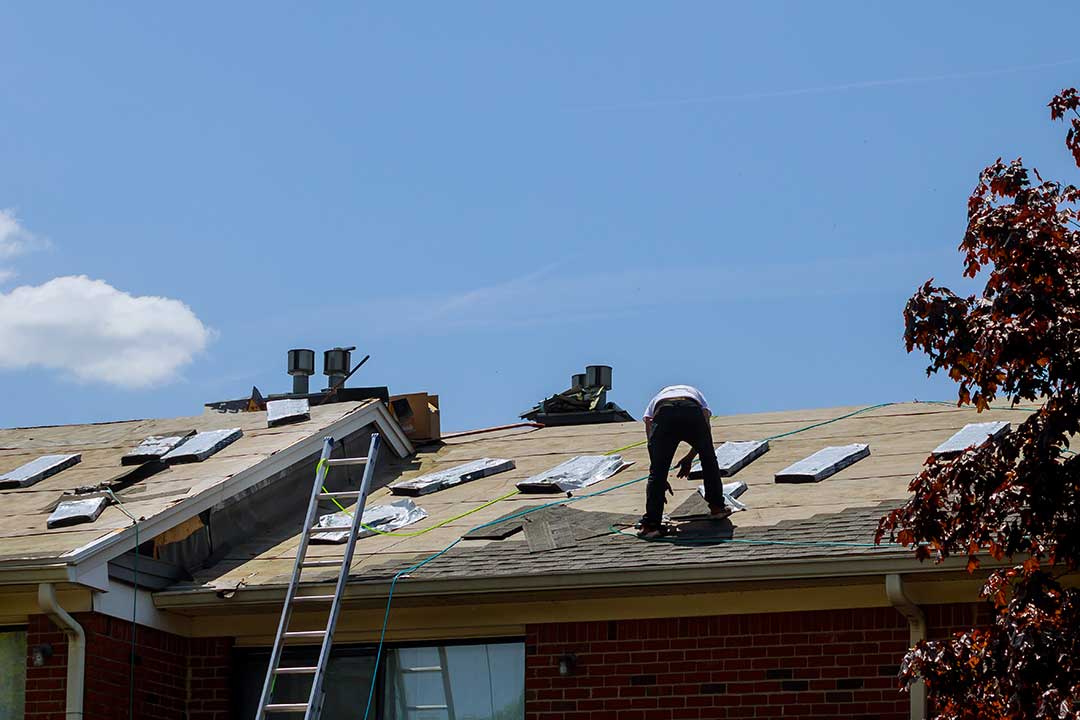
Do You Need to Register or Transfer a Roof Warranty After Moving In?
In houses that recently changed hands, it's common for new owners to be unaware of transferable warranties. Some manufacturers and installers require paperwork and a transfer fee within a fixed window after purchase. If updating documents slips through the cracks, you could unintentionally lose protection. With Syracuse’s highly active real estate turnover in some neighborhoods, it’s wise to clarify the warranty’s status soon after closing.
What Factors Might Void a Roof Warranty?
Commonly overlooked actions that can cancel warranty coverage include:
- Using mismatched or non-approved replacement materials during repairs
- Skipping annual inspection or maintenance requirements called out in warranty terms
- Installing attic vents, skylights, or solar panels without prior approval
This is especially relevant as interest grows in energy upgrades and home improvements. The DIY approach can be risky—sometimes breaking the terms without obvious warning signs.
How Does Syracuse’s Climate Impact Warranty Claims?
The region’s heavy snowfall, ice dams, freeze-thaw cycles, and wind can expose any weakness in a new or aging roof. Some manufacturers see more claims from local ZIP codes with repeated harsh winters. Homeowners may need to provide documentation showing the problem was a manufacturing or installation defect, not damage caused by storms, ice, or lack of snow removal.
Local interpretation of warranty terms can be stricter if a roof has suffered years of winter neglect. Keeping dated, detailed records of preventive maintenance or professional roof inspections supports valid claims.
How Should Syracuse Residents Keep Proof for Future Claims?
Save all documentation you receive—original invoices, warranty papers, and any communication about the work. It’s also smart to:
- Photograph the roof before and after installation, as well as after major storms
- Keep digital copies of annual inspection reports or maintenance notes
- Store any municipal code compliance documents if work required permits
Documentation matters more in areas like Syracuse, where homes are exposed to weather that can quickly disguise the original cause of damage. When warranty coverage is questioned, clear records tilt the odds in your favor.
