

Why Is Preparing Your Roof for Winter Essential in Syracuse, NY?
Local winters bring heavy snow, fluctuating temperatures, and ice storms that put extra stress on residential roofs. Preparing a roof before cold weather arrives helps prevent leaks, costly repairs, and heat loss during long winters.
Syracuse receives significant snowfall—often exceeding 100 inches each year—with repeated freeze-thaw cycles that can worsen small problems. Even newer roofs can develop issues under these unique local conditions if maintenance is ignored.
What Are the First Steps to Assessing Your Roof’s Condition?
An initial visual inspection from the ground and inside your attic reveals many potential trouble spots.
- Look for missing, curled, or damaged shingles.
- Check gutters, downspouts, and flashing for signs of rust, looseness, or blockages.
- Inspect the attic for water stains, damp insulation, or visible daylight through the roof boards.
These signs indicate where attention is needed before snow and ice arrive. Binoculars help get a closer look without climbing.
How Can You Keep Debris From Causing Problems?
Clearing leaves, pine needles, and branches from the roof and gutters helps prevent water backups and mold. Clogged gutters can lead to ice dams as meltwater refreezes at the roof’s edge.
- Safely remove debris by hand or use a plastic roof rake.
- Be cautious not to scrape or damage shingles.
- Ensure all gutters and downspouts are clear to allow water to flow away from the house.
Neglecting this step is a leading cause of winter water intrusion seen in the area each spring.
What Should You Know About Ice Dams and Their Prevention?
Ice dams form when heat escapes from the attic, melting snow on the roof, which then refreezes at the eaves. Water backs up under shingles, causing leaks and interior damage.
- Proper attic insulation and ventilation are the most effective defenses. Insufficient insulation allows heat loss, while blocked or undersized vents trap moisture and warmth.
- Install insulation with a recommended R-value for cold regions, ensuring no gaps or compressed areas.
- Make sure vents at the soffit and ridge are unobstructed.
- Remove snow from the roof’s lower edge after significant storms, using a roof rake from the ground.
Permanent heated cables along eaves are sometimes considered, but most homes benefit more from improved insulation and ventilation.
Are There Local Risks for Roof Damage Unique to Syracuse?
The accumulation of lake-effect snow and recurring freeze-melt cycles means area roofs face unusual wear.
- Heavy, wet snow can overload structural supports, especially on flat sections, older roofs, or when previous storms have left layers behind.
- Icicles may indicate both poor insulation and gutter drainage issues, which heighten risk for ice dams and foundation problems.
- Wind-driven snow can shift loose shingles or expose nail heads.
Checking the roof after each major snowfall, as well as after windy events, helps spot and address problems before they cause indoor damage.
Which Roofing Materials Need Special Attention?
Asphalt shingle roofs—common here—can become brittle after years of winter expansion and contraction. Look for:
- Granule loss (bare shingle areas)
- Shingles lifting at the edges
- Exposed fasteners or deteriorating sealant around flashing
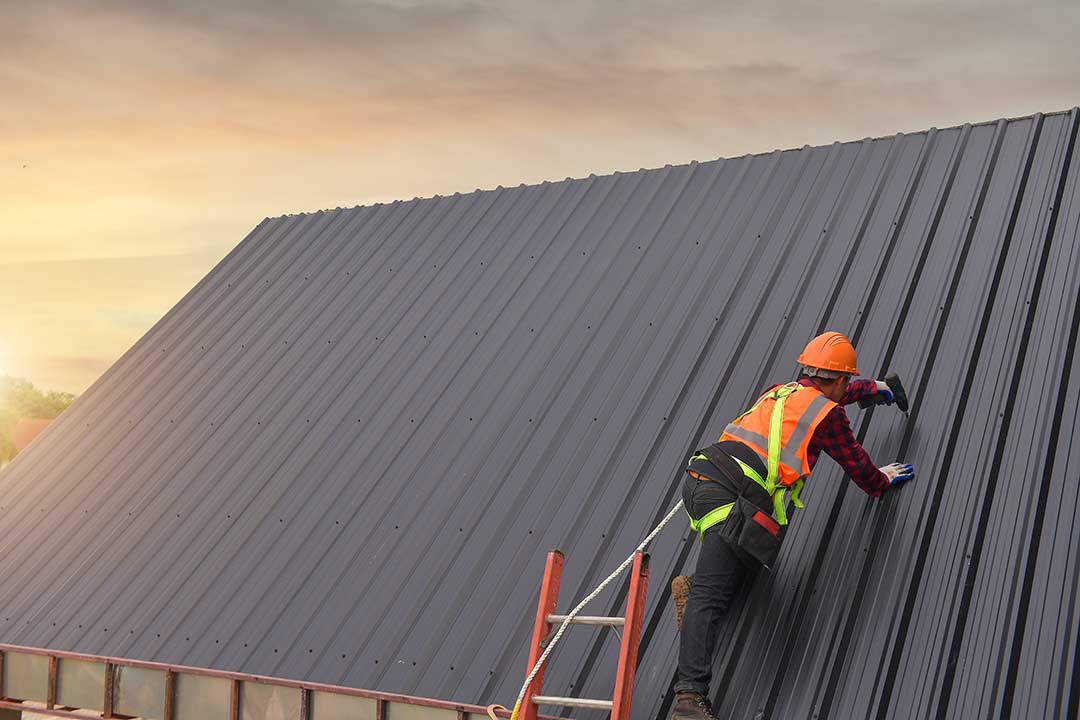
Metal roofs shed snow more easily but still require regular checks for loose panels and blocked valleys.
Flat roofs should be monitored closely for ponding water and buildup of heavy snow, which may require removal.
What Common Maintenance Steps Are Often Overlooked?
Some necessary winter preparations are easily missed:
- Sealing small gaps at roof penetrations (chimneys, vents, skylights) with appropriate roofing caulk to prevent wind-driven rain or snow intrusion.
- Making sure attic access hatches are well-sealed and insulated, as heat escaping here contributes to uneven roof temperatures.
- Trimming overhanging branches that collect snow or may snap under weight, damaging roof surfaces or power lines.
Timely caulking and insulation often prevent costly repairs caused by minor leaks unaddressed before freeze-up.
When Should Roof Work Be Left to a Professional?
While many preparation steps are DIY-friendly, climbing steep or icy roofs, dealing with mold, or correcting structural sagging should be handled by qualified personnel for safety.
Removing heavy snow loads, especially after a blizzard or ice storm, can be dangerous and is best left to those with proper equipment and training. If the roof deck feels soft or “spongy” when walked on, this points to possible rot and requires prompt evaluation.
How Does Winter Roof Prep Connect to Heating and Energy Use?
Ensuring the roof and attic are ready for winter helps retain heat indoors, directly lowering home heating costs. Gaps, poor insulation, and roof leaks make it harder to keep homes comfortable during long winter cold spells.
Simple steps like sealing attic air leaks and checking insulation not only protect against ice dam formation but also enhance overall energy efficiency.
