

Why Do Syracuse, NY Homeowners Need Roof Inspections?
A professional roof inspection can identify small issues before they escalate into costly repairs, especially in a climate known for snow, ice, and seasonal storms. Local households often wonder if such inspections are truly necessary or just a precaution. In regions with harsh winters like Syracuse, the freeze-thaw cycle, roof debris, and age-related wear make regular inspections a practical part of home maintenance. Inspections are typically recommended annually or after major weather events to help safeguard property value and comfort throughout changing seasons.
What Happens During an Exterior Roof Assessment?
An exterior assessment is often the first step in a professional inspection. Inspectors visually examine roofing materials, flashing, gutters, and penetrations like skylights or chimneys. This step typically involves:
- Looking for missing, curling, or cracked shingles — particularly common after winter storms in Syracuse.
- Checking for moss, lichen, or algae buildup, which can signal moisture issues common in the local climate.
- Inspecting flashing (thin metal pieces at joints and valleys) for rust or lifting, since these areas are prone to leaks during spring thaws.
- Evaluating gutters and downspouts for debris or improper pitch, which is critical for draining melting snow.
Binoculars, ladders, or drones may be used for safety and comprehensive coverage, especially for multi-story or steep roofs.
What Is Reviewed Inside the Attic or Under the Roof?
A detailed inspection frequently includes a look inside the attic. This helps uncover leaks or weaknesses that might not be visible from outside. Attic evaluation focuses on:
- Signs of water stains, wet insulation, or mold, often caused by ice dams or inadequate ventilation.
- Proper airflow and insulation, which can affect energy efficiency and the likelihood of roof ice buildup during winters.
- Daylight peeking through the decking, a sign of gaps or holes.
Attic findings often influence repair recommendations, especially if ice dams or condensation are recurring problems for Syracuse homes.
Will Inspectors Walk on the Roof? Is It Always Necessary?
Walking on the roof allows an inspector to check for soft spots, loose shingles, and the overall condition more closely. However, accessibility and safety always dictate this step. Factors like steep pitches, wet surfaces, loose granules, or fragile materials may mean walking isn’t safe. In such cases, inspectors use binoculars, extended cameras, or even drones. Residents should know that skipping this step is not neglect, but a matter of responsibility and injury prevention.
How Long Does a Roof Inspection Typically Take?
Most inspections for an average single-family home in the community last 45 minutes to 2 hours. Weather, roof complexity, and the need for attic access can alter the timeline. For older homes, large roofs, or those with multiple repair histories, expect a more detailed and possibly lengthier process. Homeowners don’t need to be present throughout unless interior access is required.
What Should You Expect in an Inspection Report?
The report documents observations and may include photos highlighting areas of concern. Specific expectations might include:
- A summary of the roof’s condition and estimated remaining lifespan.
- Noted issues such as lifted shingles, blocked vents, or ponding water.
- Recommendations for maintenance, repairs, or necessary follow-up — like clearing gutters before winter or fixing loose flashing at chimney joints.
- Supporting photos or diagrams for clarity.
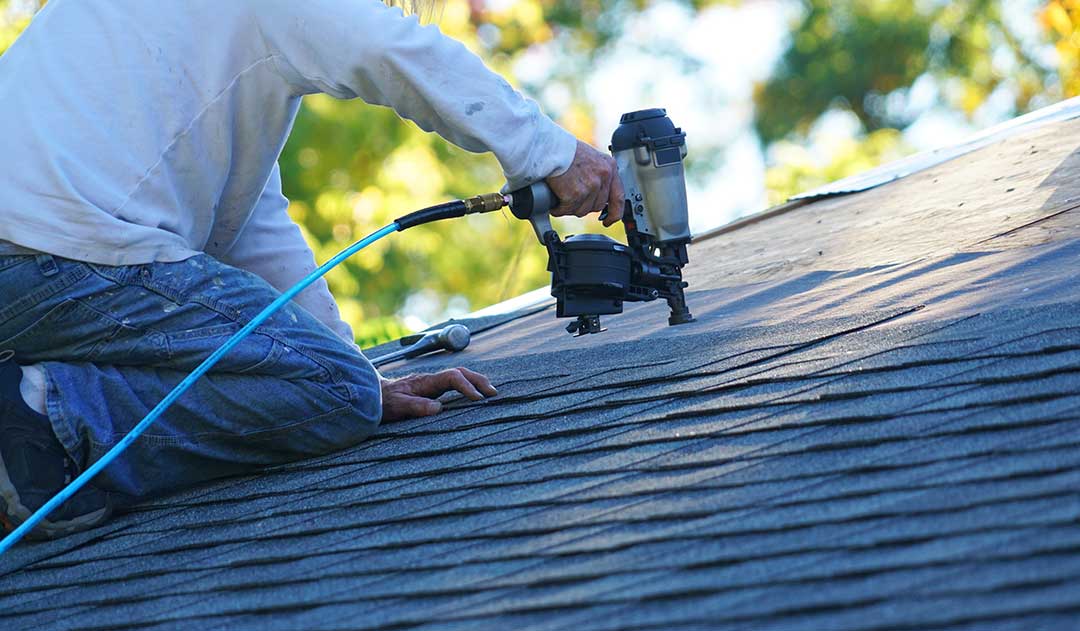
In Syracuse, where roof replacements are a major household investment, this written overview can help guide future planning and avoid surprises during home sales or insurance claims.
Are There Local Factors That Affect Roof Inspections?
Yes. Severe winters, frequent freeze-thaw cycles, and the occasional lake-effect snowfall are all critical considerations. Inspectors look for unique signs of weathering common in the area, such as:
- Ice dam remnants or damage at the roof’s lower edge.
- Heavy debris loads in gutters from nearby trees.
- Age-related wear in older neighborhoods, where original materials may be nearing the end of their service life.
These local patterns guide both inspection priorities and practical maintenance advice for area homes.
What Are Common Misconceptions About Roof Inspections?
Some area residents believe a quick ground-level glance is enough to judge roof health. In reality, many issues like flashing failures or hidden leaks are missed without a thorough evaluation. Another misconception is that newer roofs are trouble-free; weather damage or installation errors can cause problems regardless of age. Lastly, some assume roof checks are only needed for visible leaks, overlooking benefits like preventing mold growth or lowering future repair costs.
What Happens If the Inspection Uncovers Problems?
Discovering damage doesn’t mean immediate disruption. Inspections are primarily diagnostic steps. Reports help prioritize repairs by urgency and cost, allowing households to budget and plan ahead. When inspectors spot any urgent safety hazards, such as structural instability or active water infiltration, addressing these quickly is always advisable to prevent further harm.
