
What Causes Roofs to Wear Out in Syracuse, NY?
Central New York’s climate creates specific challenges for local roofs. The combination of heavy snow, frequent freeze-thaw cycles, rain, and seasonal winds can quickly age roofing materials. Add in periodic moss, algae, and debris from mature trees—common in older neighborhoods—and it’s clear that area roofs have unique maintenance needs.
Understanding these local stressors is the first step to prolonging the life of your roof. In this region:
- Ice dams can force water under shingles.
- Wet autumn leaves trap moisture, promoting rot.
- Fast temperature swings cause expansion and contraction, stressing shingles and flashing.
How Can Regular Cleaning Help?
Routine maintenance is one of the simplest ways to maximize a roof’s lifespan. Removing debris allows roofing materials to dry properly and prevents the build-up of moss or algae, which can degrade shingles. In fall and spring, check gutters and clear any blockages. Overflowing gutters contribute to water pooling near roof edges and potential leaks.
Many area residents forget that windblown seeds, pollen, and airborne debris can create organic buildup even without nearby trees. Simple cleaning with a leaf blower (on a dry day) or a soft broom helps limit growths and reduces weight on shingles.
Why Is Attic Ventilation Important?
Ensuring the attic is well-ventilated limits moisture buildup and keeps roofing materials in better condition. Excess attic moisture leads to mold, warped rafters, and shortened shingle life. Local homes with insulation upgrades or newer, tighter windows sometimes suffer from trapped humidity.
Proper attic ventilation can be checked by:
- Feeling for dampness or musty odors in the attic.
- Looking for frost or moisture on rafters during winter.
- Noticing overly hot attic air on sunny summer days.
Mistakenly covering attic vents or sealing eaves too tightly can cause issues. Make sure insulation does not block soffit vents, and check that ridge or roof vents are not obstructed by debris, nests, or snow piles.
How Does Preventive Repair Make a Difference?
Even minor roof flaws often escalate during harsh weather. Repairing damaged flashing, resealing vent boots, and replacing cracked shingles soon after spotting them keeps problems contained. In an area where spring storms and winter snows are common, small leaks or exposed underlayment can quickly lead to major repairs.
Routine inspections, especially after significant weather, allow residents to catch issues before they expand. By addressing loose elements or lifting edges promptly, homeowners avoid water infiltration, structural rot, and interior ceiling stains.
What Should Homeowners Know About Ice Dams?
Ice dams form when melting snow refreezes at the eaves, usually due to heat escaping into the attic. These dams prevent proper drainage and can force water under shingles, causing leaks, insulation damage, and even interior water stains.
Managing ice dams involves both roof and attic strategies:
- Keep attic temperatures consistent with outdoor air (good insulation, proper sealing of ceiling gaps, and clear vents).
- Remove snow from roof edges when safe to do so, using a roof rake with an extendable handle.
- Avoid hacking at ice, which damages roofing materials.
Neglecting ice dam prevention can mean expensive repairs come spring. It’s a recurring concern in local neighborhoods with older or complex rooflines.
When Is Professional Help Necessary for Roof Safety?
While many roof care tasks can be handled by residents, there are certain high-risk activities where local safety codes or common sense call for additional caution:
- Walking on steep or icy roofs.
- Working near high voltage lines or chimneys.
- Handling rotted or unstable sheathing, which can collapse under weight.
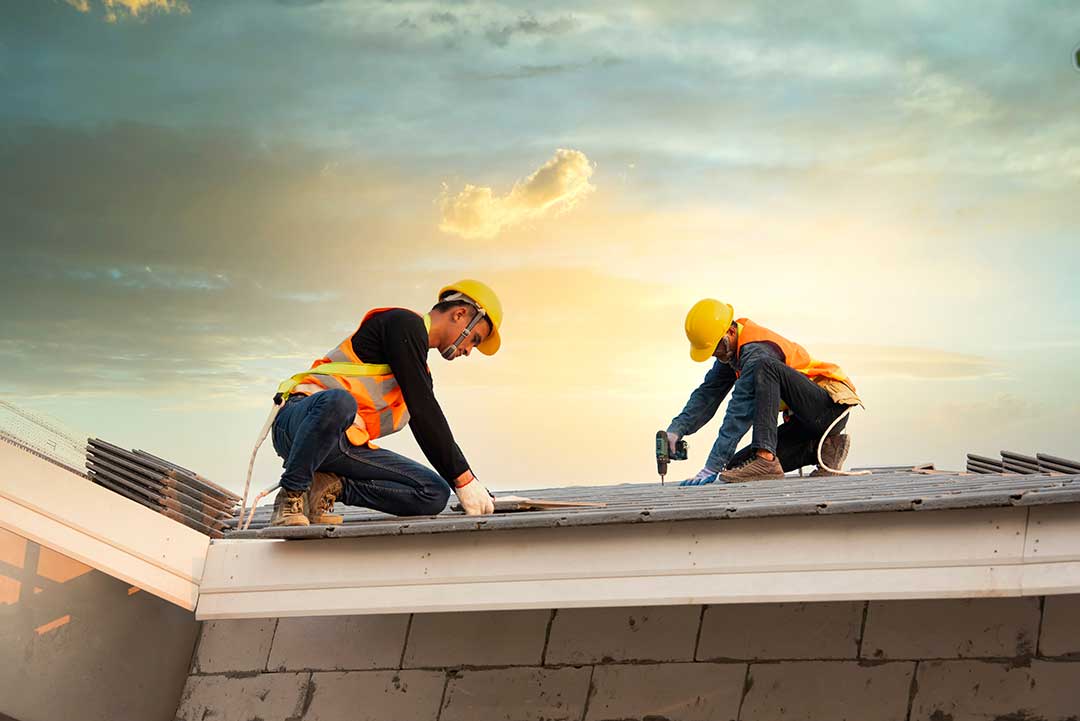
If there are signs of mold inside the attic, widespread damaged shingles, or mysterious leaks that don’t respond to patching, it may be safer to consult building codes or seek advice to avoid further harm.
What Are Common Roof Maintenance Myths in the Community?
Several persistent misconceptions circulate among homeowners:
- “New shingles are maintenance-free.” Even new roofs need regular checks for animal or weather-related damage.
- “Black streaks are just dirt.” Algae stains common in humid summers should be washed away with mild, non-corrosive cleaners, not ignored.
- “More insulation fixes all roof problems.” Without ventilation, extra insulation can worsen moisture retention and attic issues.
Relying on these beliefs can lead to unexpected repairs and shorter roof lifespan.
How Often Should Roof Conditions Be Checked?
In climates like this, twice-a-year roof checks—in early spring and late fall—are good practice. Heavy snows, windstorms, hail events, and long, wet leaf seasons mean hidden damage is possible even between regular inspections.
After any extreme weather, look for:
- Missing or shifted shingles.
- Sagging soffits or gutters.
- Water stains inside upper floors or attic spaces.
Keeping notes or photos of roof conditions can help monitor changes over time and spot patterns before problems become urgent.
Are Modern Roofing Materials Always Longer-Lasting?
Not every upgrade guarantees extra years. Dark shingles, while popular for appearance, absorb more heat in the summer, which can stress attic cooling and shingle adhesives. Lighter colors may weather better in sunny exposures but might show stains more readily.
Understanding product ratings for wind and ice resistance—instead of just cost—can help area residents make better decisions when it does come time to replace or repair sections out of necessity.
